Clearfield Foundation Pros
Wall Stabilization in Clearfield, UT
Wall stabilization in Clearfield halts bowing basement walls with anchors or carbon fiber, backed by a free estimate.
Serving Clearfield and nearby communities.
A bowing or leaning basement wall is a load problem, not a cosmetic one. Clearfield Foundation Pros stabilizes walls pushed inward by hydrostatic pressure, the force that builds when spring snowmelt saturates soil along the Wasatch Front and has nowhere to drain. Clearfield homes with full basements, both older post-war builds and newer construction, see this most after a heavy snow year.
Wall stabilization stops that movement before a bowed wall turns into a cracked or collapsing one. The right fix depends on how far the wall has moved and what it's built from, which is why every job starts with a real inspection, not a standard quote.
What's included
What's Included
Typically included: wall inspection, soil pressure assessment, anchor or brace installation, tensioning adjustment, final stability check.
Optional: epoxy crack filling ahead of reinforcement, moisture barrier coating after stabilization.
Customer prep: clear basement access along the affected wall, move stored items away from the work area, note which doors or windows have started sticking.
Want a clearer scope?
Get a Free EstimateHow it works
How Our Wall Stabilization Process Works
 Step 1
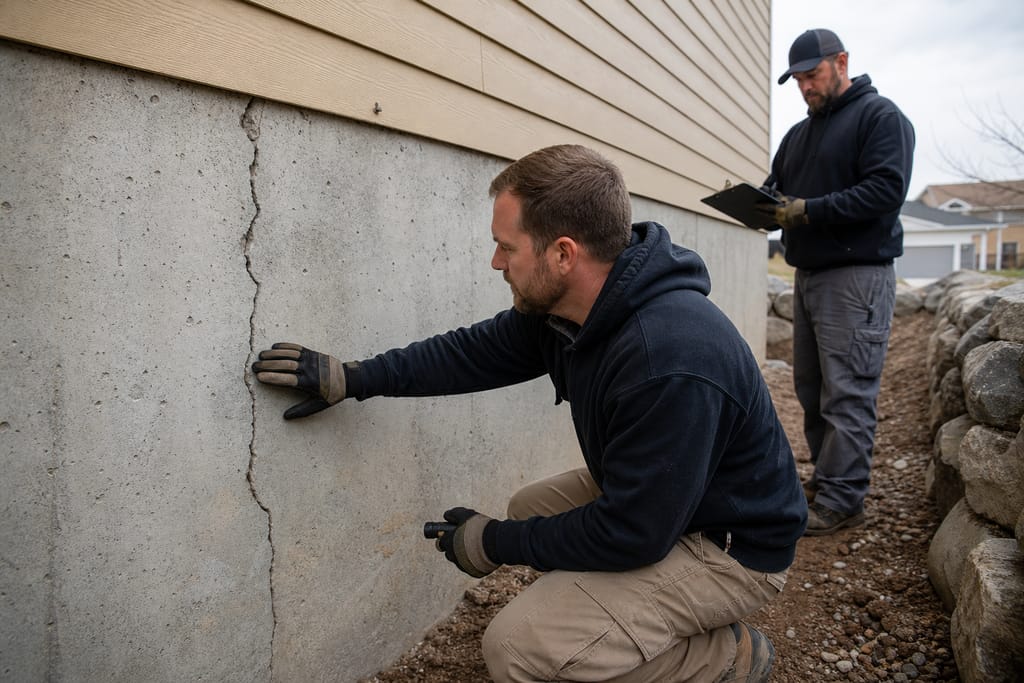
Wall Inspection
Walls are examined for bowing, cracking, or leaning indicators.
 Step 2
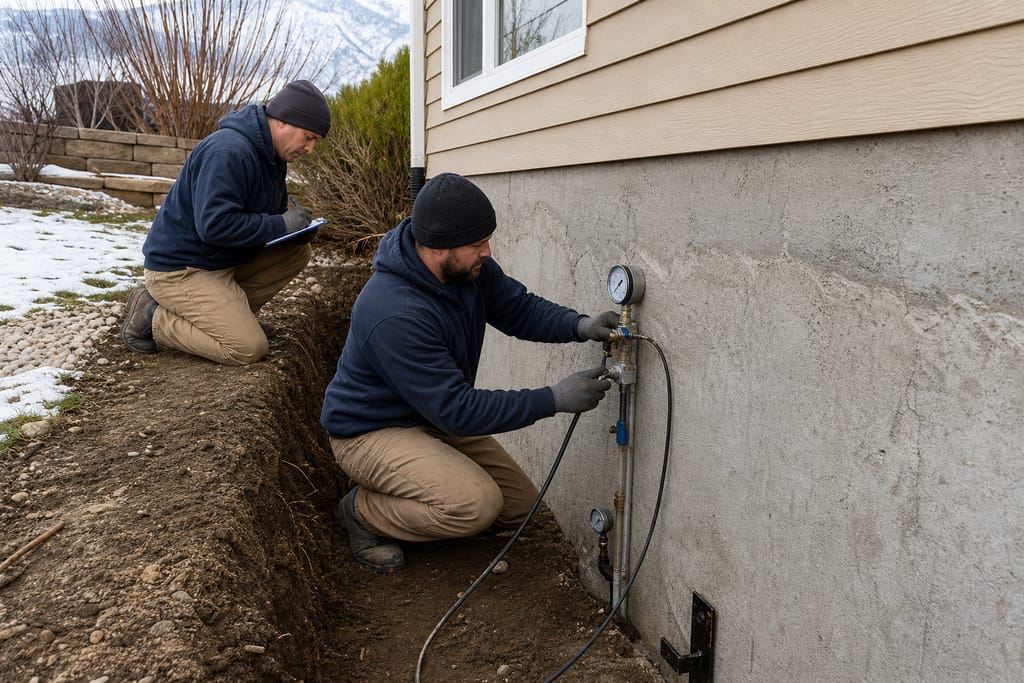
Pressure Assessment
Soil and hydrostatic pressure contributing to wall movement are evaluated.
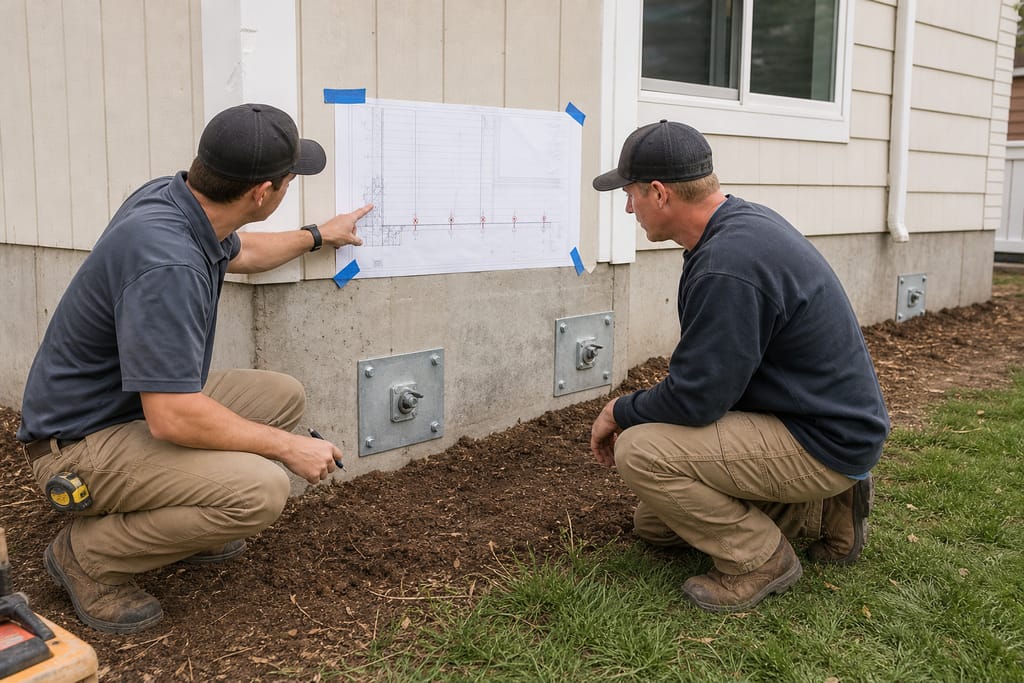 Step 3
Reinforcement Planning
A stabilization method is selected based on wall condition and severity.
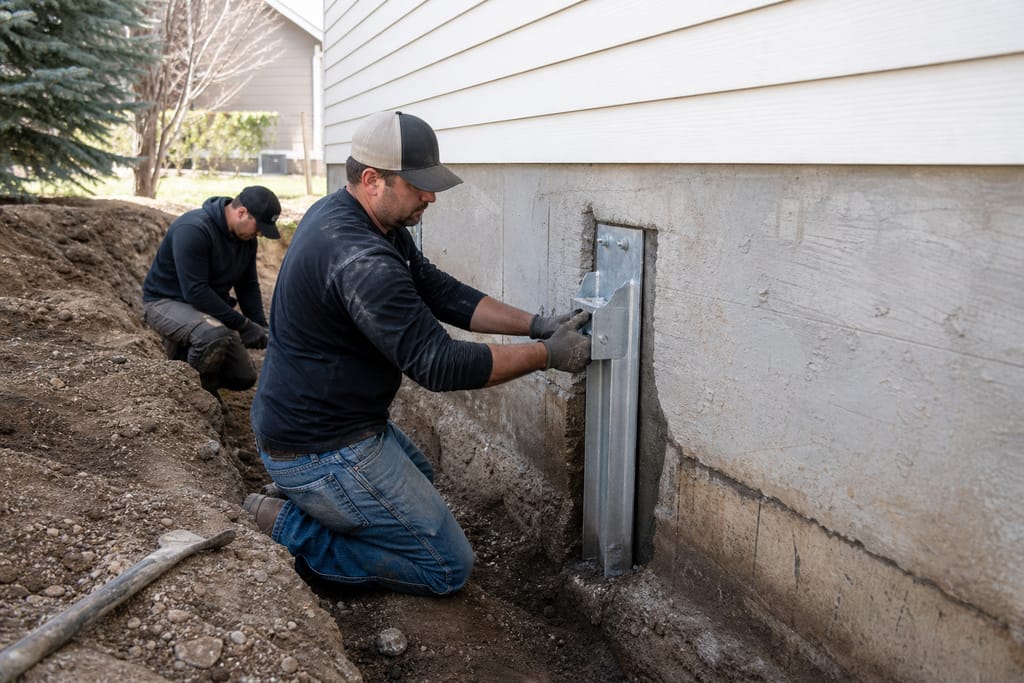 Step 4
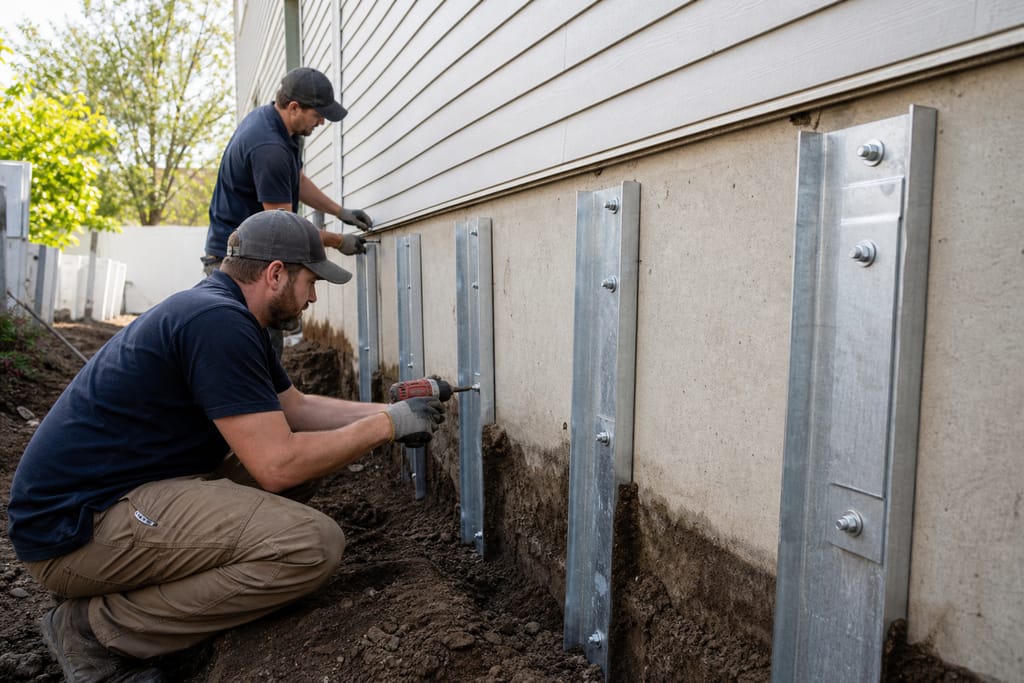
Anchor or Brace Installation
Support systems are installed to halt further wall movement.
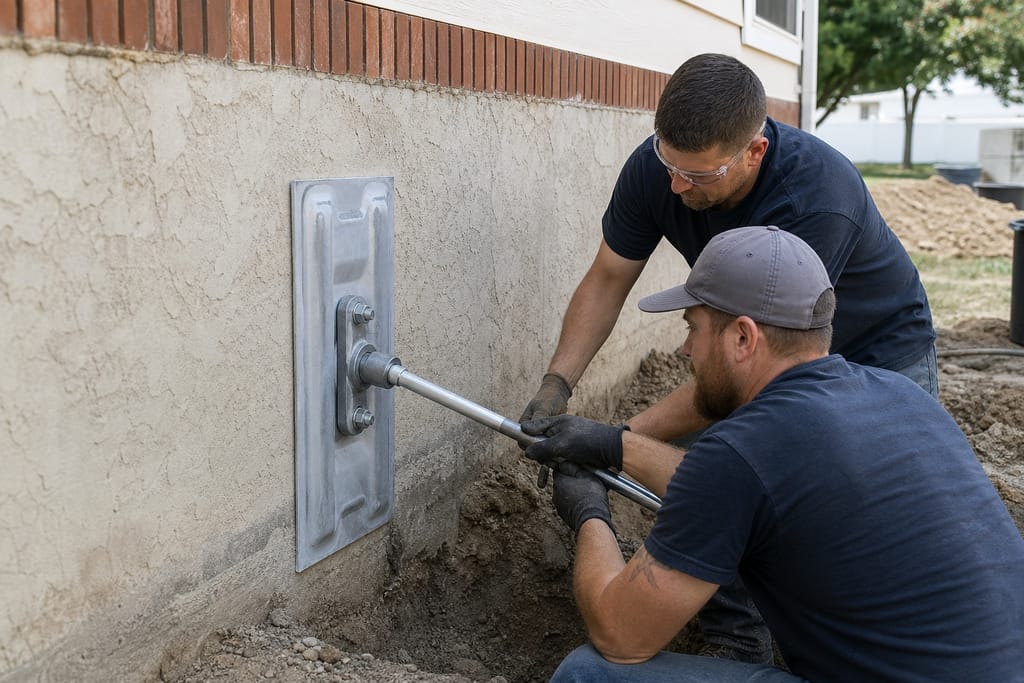 Step 5
Tensioning Adjustment
Anchors or braces are tightened to gradually stabilize the wall.
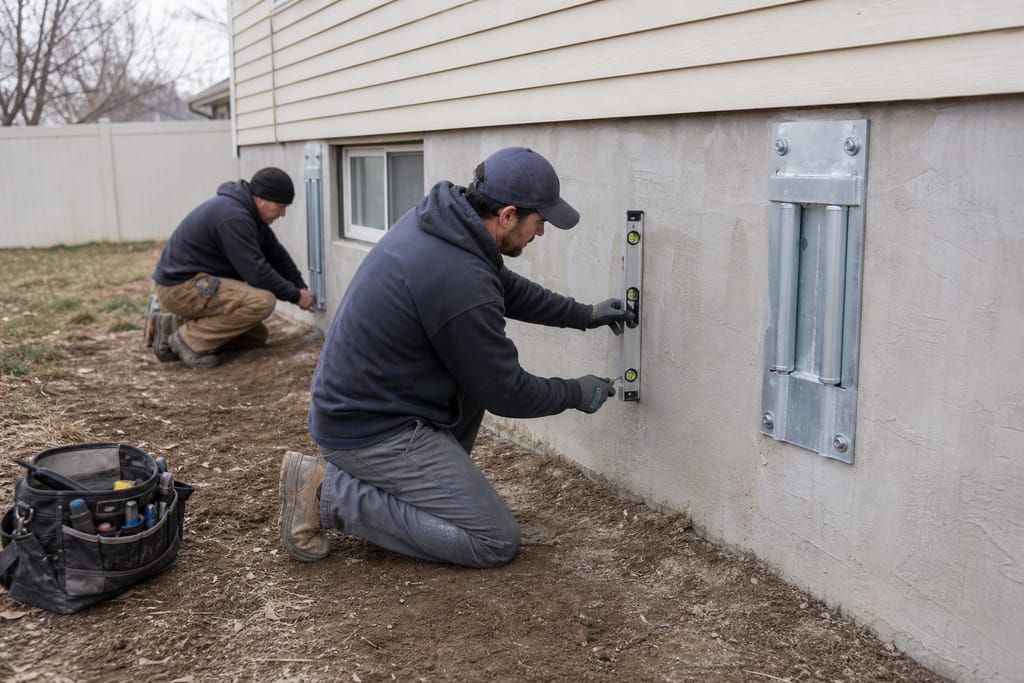 Step 6
Final Inspection
The wall is rechecked to confirm stability and proper installation.
Materials
Materials and Methods for Wall Stabilization
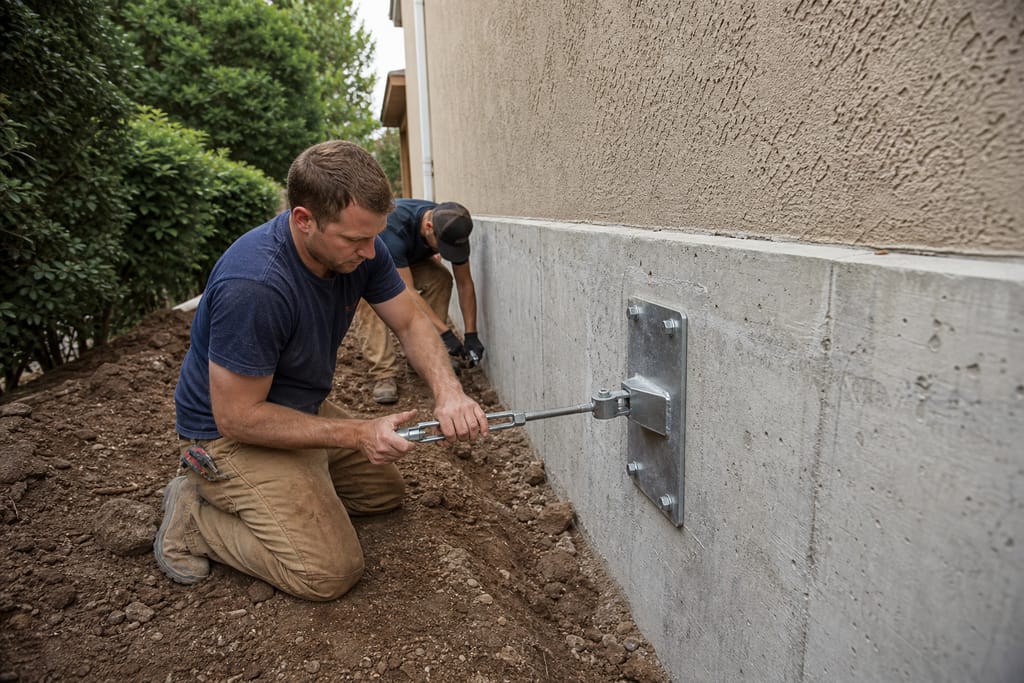
Wall Anchors
Installed in the yard to counteract inward wall pressure, a common fix for Clearfield basements fighting spring runoff.
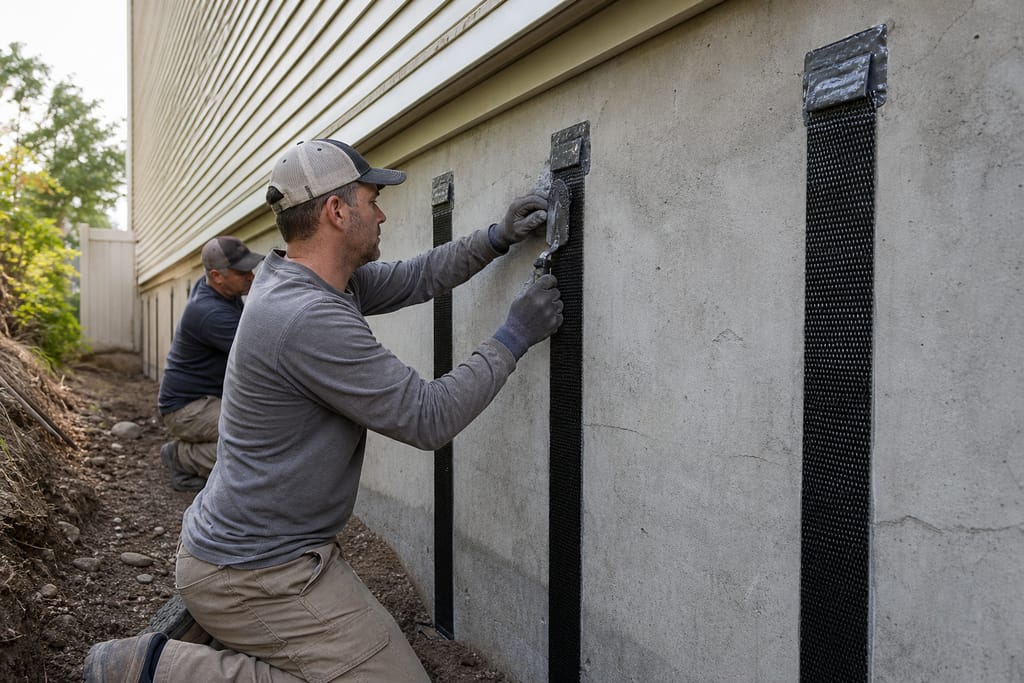
Carbon Fiber Straps
Reinforce walls with minor bowing without excavation, a good match for tighter yards near older housing.
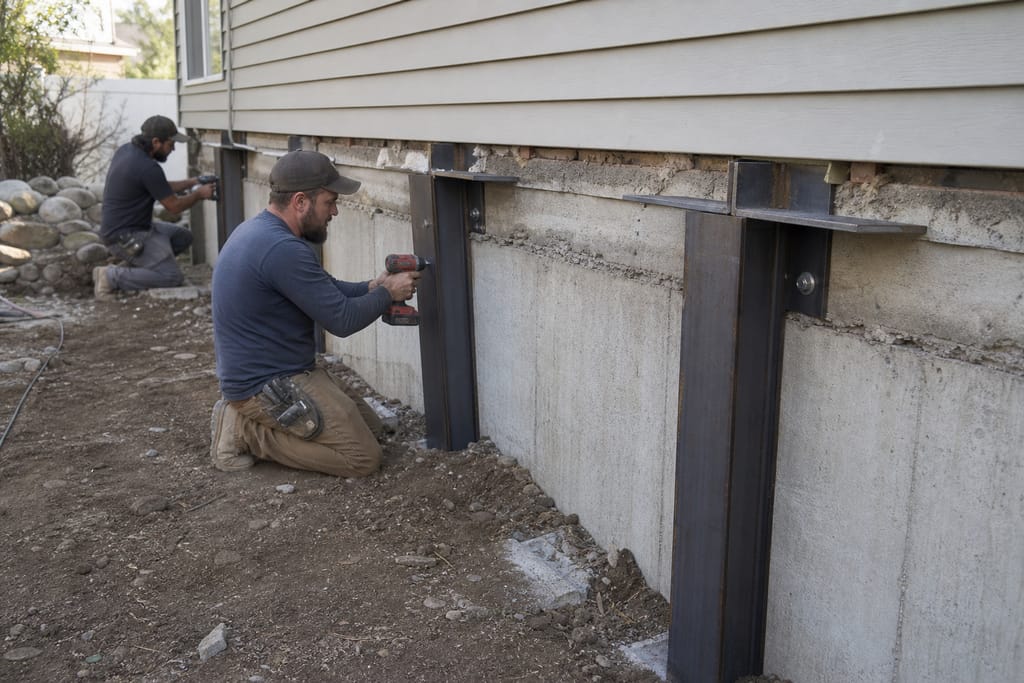
Steel I-Beams
Provide rigid bracing against lateral wall movement on more severely bowed sections.
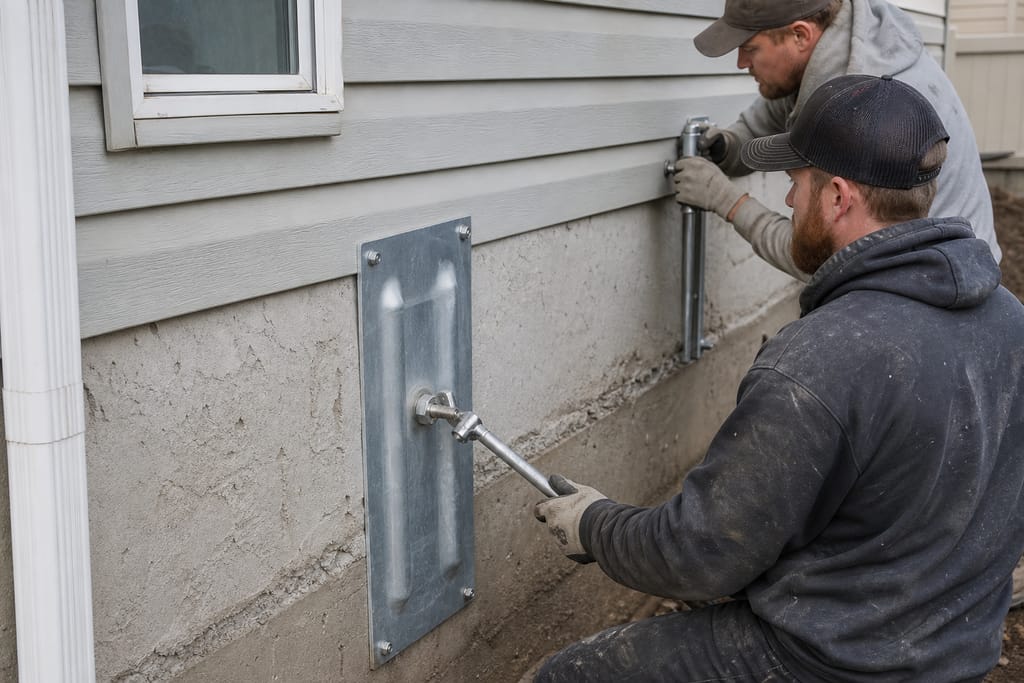
Wall Plates
Distribute anchor tension evenly across the wall surface so pressure doesn't concentrate at one point.
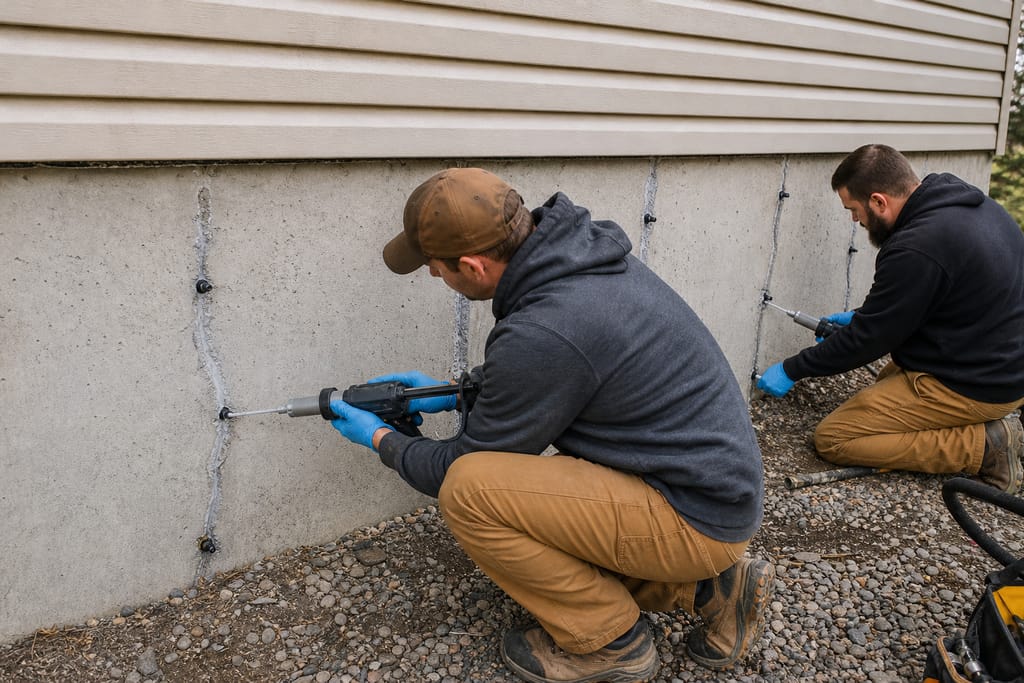
Epoxy Crack Filler
Seals cracks before reinforcement materials go in, keeping water out of the repair.
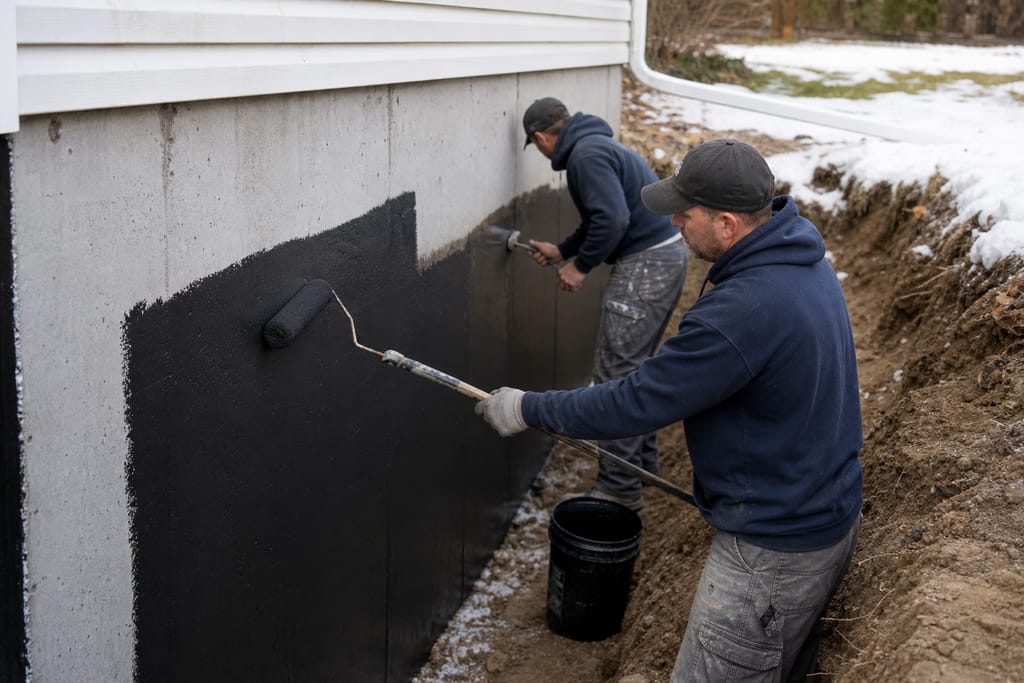
Moisture Barrier Coating
Protects reinforced walls from future water damage through another freeze-thaw cycle.
Questions on materials?
Get a Free EstimateCost
What Does a Wall Stabilization Cost in Clearfield?
Want a number for your home?
Get a Free EstimateCodes & permits
Permits and Codes for Wall Stabilization
Permit requirements vary by project scope. Verify specifics with Clearfield city or Davis County before work begins.
| Typically needs a permit | Often no permit |
|---|---|
| Structural wall anchor installation tied to yard excavation | Carbon fiber strap reinforcement on minor bowing |
| Steel I-beam bracing affecting load-bearing walls | Epoxy crack filling performed ahead of reinforcement |
Need help with permits?
Get a Free EstimateDIY vs pro
DIY vs Hiring a Pro for Wall Stabilization
| DIY | Hire a pro |
|---|---|
| Cosmetic hairline cracks with no visible bowing | Any visible inward bow or stair-step cracking |
| Monitoring a wall for change over a season before acting | Walls with active water intrusion alongside movement |
| — | Anchor or brace installation, since tension has to be set correctly to stop the wall without over-correcting it |
Not sure DIY vs pro?
Get a Free EstimateWhen to call
When to Call for Wall Stabilization
Call Clearfield Foundation Pros for a free estimate before the next snowmelt season puts more pressure on that wall.
- You notice a visible inward bow in a basement wall
- Horizontal or stair-step cracking appears after a wet spring
- A wall feels like it's separating from the floor or ceiling
- Doors and windows nearby have started sticking
Seeing warning signs?
Get a Free EstimateBefore & after
Before and After Wall Stabilization
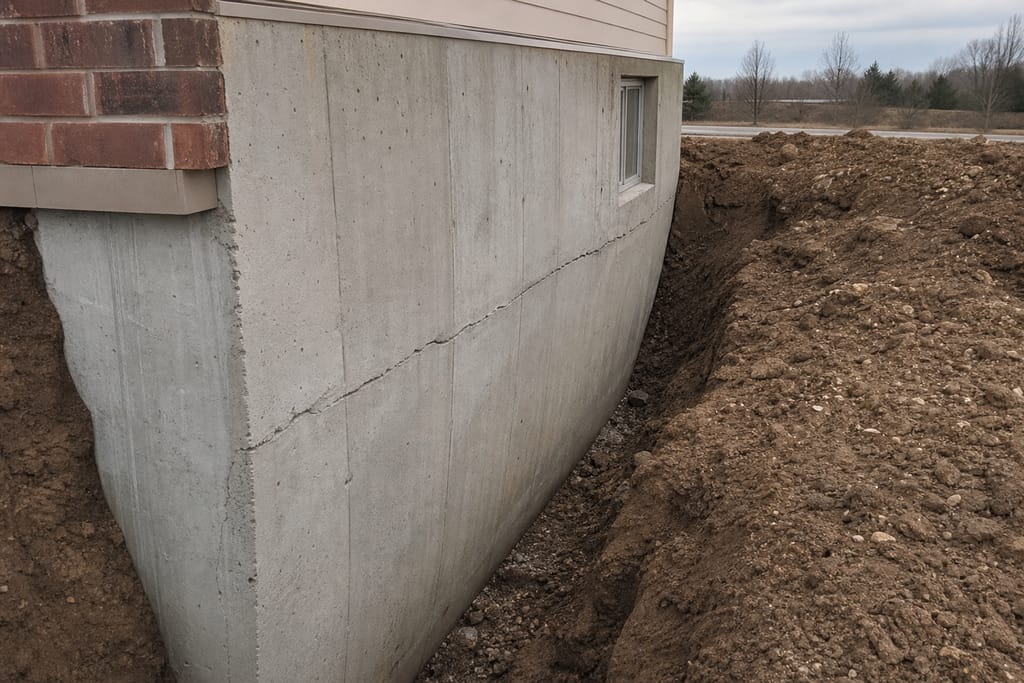
Before 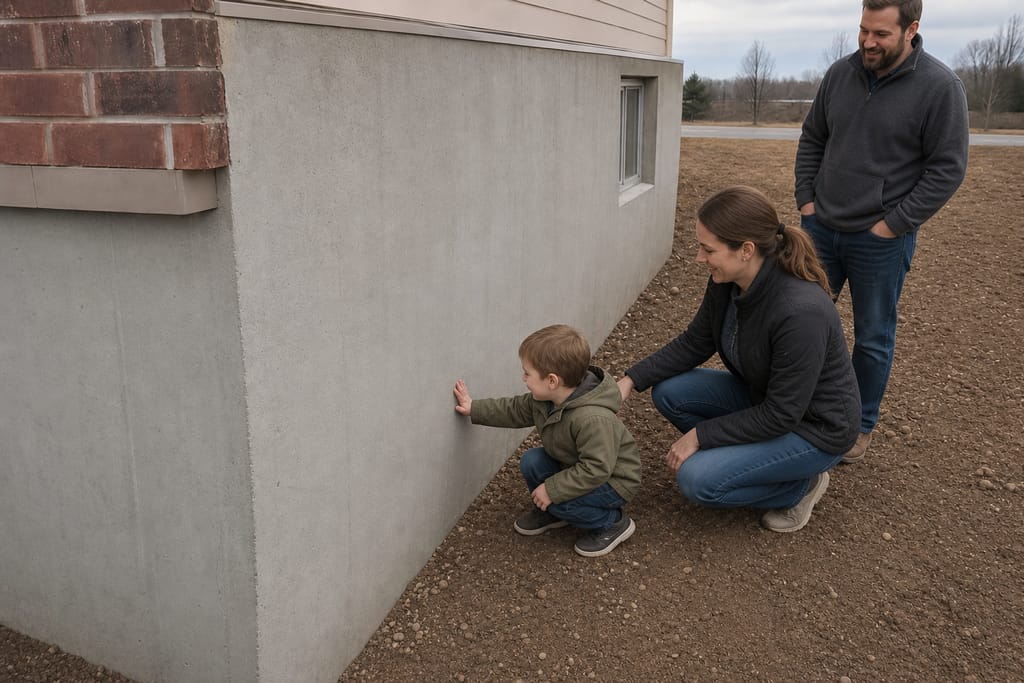
After
Next step
Get a Wall Stabilization Estimate in Clearfield
Call (385) 367-0983 for a free estimate on wall stabilization. We'll inspect the wall in person and explain the right fix before you commit to anything.
FAQs
Wall Stabilization FAQs
How much does wall stabilization cost in Clearfield?
Most jobs run $350 to $5,000 depending on how many anchors or braces are needed and whether crack sealing is included. A free estimate gives you an exact number for your wall.
How long does wall stabilization take?
Carbon fiber or single-anchor jobs usually finish in a day. Multi-anchor systems with yard excavation can take two to three days depending on wall length.
Do I need a permit for wall stabilization?
Structural anchor or beam installation usually needs a permit. Carbon fiber reinforcement on minor bowing typically doesn't. We'll confirm before scheduling.
Is DIY wall stabilization a good idea?
No. Anchors and braces need to be tensioned correctly to stop a wall from bowing further without overcorrecting. This isn't a weekend fix.
When should I call a wall stabilization pro?
As soon as you notice an inward bow, horizontal cracking, or a wall pulling away from the floor. The earlier it's addressed, the less reinforcement it usually needs.
What affects wall stabilization pricing?
Wall length, degree of bowing, number of anchors or braces required, and whether crack sealing or moisture barrier work is added.
What is typically included in wall stabilization?
Inspection, pressure assessment, anchor or brace installation, tensioning, and a final stability check.
Can a bowing wall straighten back out completely?
Anchors and braces are designed to stop further movement and, over time with gradual tensioning, can bring a wall back closer to plumb. Full straightening depends on severity.
More services
Other Foundation Repair services
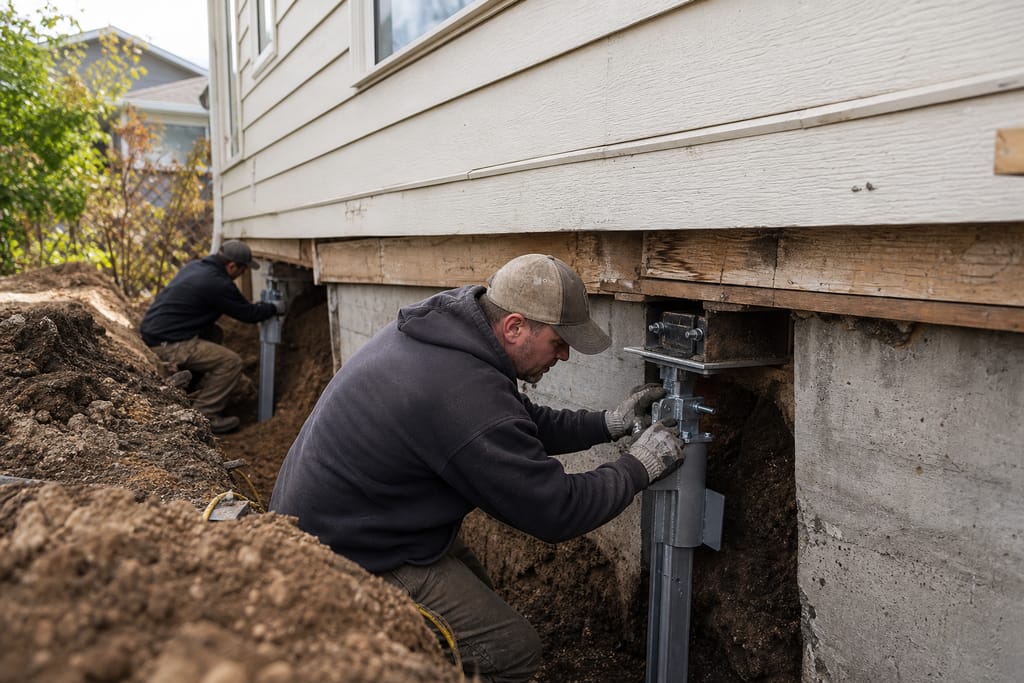
Foundation Repair
Foundation repair in Clearfield with push piers, helical piers, and crack injection. Free estimates, written repair plans.
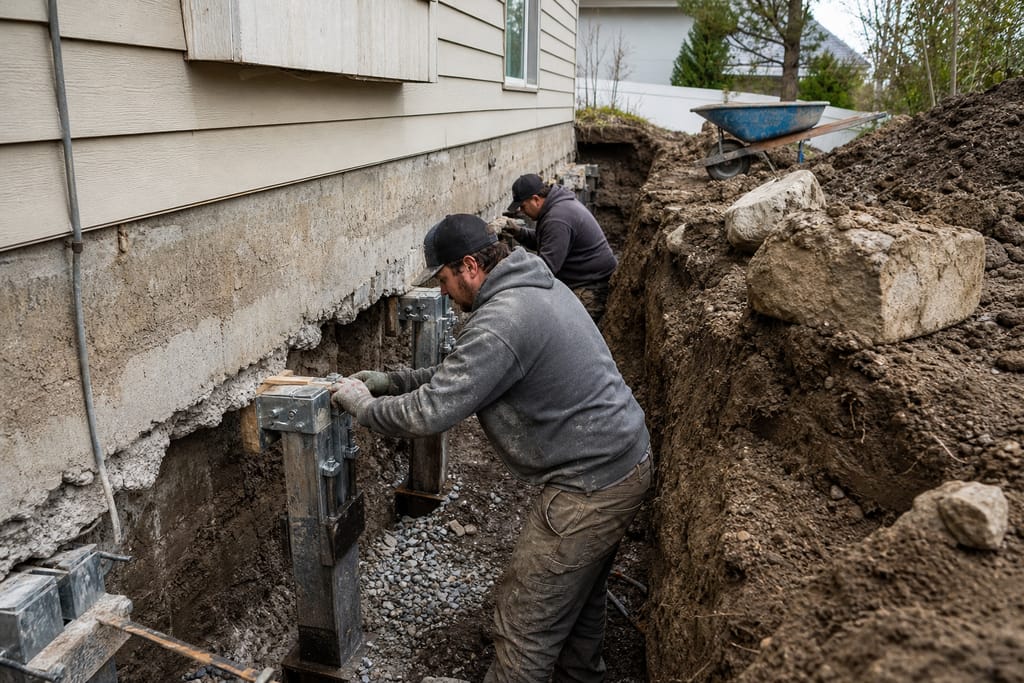
Piering and Underpinning
Push pier and helical pier underpinning in Clearfield, UT stops foundation settlement for good. Free estimates, written repair plans.
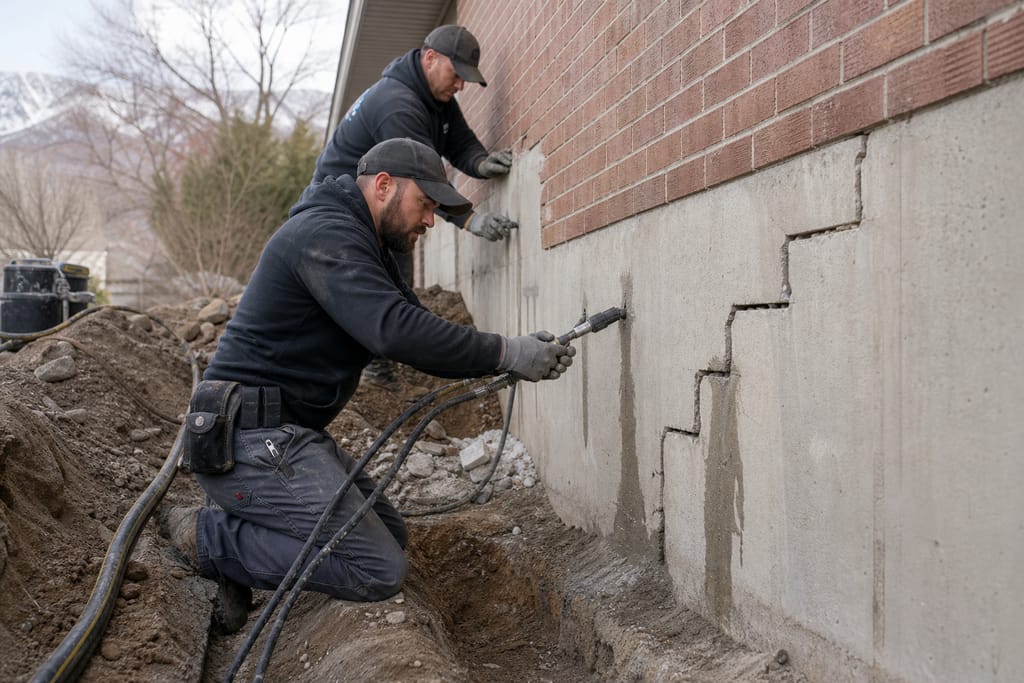
Foundation Crack Repair
Foundation crack repair in Clearfield with epoxy or polyurethane injection, free estimates on hairline to structural cracks.
Ask about Wall Stabilization
Tell us about the project and how to reach you.